
6 min read · Last updated June 29, 2026
- Income-driven repayment forgiveness is automatic once you hit your plan’s clock: 20 years on New IBR and PAYE, 25 years on Old IBR and ICR, and 30 years on the new Repayment Assistance Plan (RAP).
- The One Big Beautiful Bill Act, signed July 4, 2025, removed the financial-hardship test for IBR, so any borrower with eligible federal loans can now enroll. RAP launches July 1, 2026.
- Starting January 1, 2026, balances forgiven through income-driven repayment are generally treated as taxable income on your federal return. The pandemic-era tax exemption expired.
- $0 monthly payments count toward forgiveness, but most months in forbearance do not. A single year in the wrong status can stall your clock.
In this article
– What income-driven repayment forgiveness is – Who qualifies in 2026 – How the forgiveness clocks work by plan – How to apply and stay enrolled – What resets or stalls your clock – Frequently asked questions
You have been making income-driven payments for eleven years. You assume you are nine years from having the rest wiped out. Then you pull your payment history and find a fourteen-month stretch where your loans sat in a forbearance that earned no credit. In plain terms, those months did not count, and your clock is further back than you thought. This is the single most expensive surprise in the student-loan system, and it is avoidable if you know how the count actually works.
What income-driven repayment forgiveness is
Income-driven repayment, usually shortened to IDR, is a set of federal plans that size your monthly payment to your income instead of your balance. You pay a percentage of what you earn. After a set number of years, the government cancels whatever balance is left. That cancellation is the forgiveness.
This is different from Public Service Loan Forgiveness, which cancels balances after 120 qualifying payments for people in government and nonprofit jobs. IDR forgiveness has no employer requirement. If you work in public service, our guide to Public Service Loan Forgiveness in 2026 covers that faster ten-year path.
The system changed in 2025. The One Big Beautiful Bill Act, signed July 4, 2025, narrowed the old menu of plans to two over time and created a new plan called RAP. The SAVE plan, which a court vacated on March 10, 2026, is gone. Which plan you are on decides how long your clock runs.
Who qualifies in 2026
You qualify for an income-driven plan if you have eligible federal student loans. That means Direct Loans, and in many cases Federal Family Education Loan (FFEL) program loans once you consolidate them. Private loans never qualify. Neither does a federal loan in default until you first get it out of default. If your loans are in default, the federal loan rehabilitation process is the step that restores access to these plans.
The big eligibility change in 2026 is for Income-Based Repayment, known as IBR. The law removed the partial-financial-hardship test. Before, you had to show your federal payment was unaffordable to get in. Now any borrower with eligible loans can enroll in IBR. That opens the most reliable forgiveness path to far more people.
There is one timing rule that matters. If your first loan is disbursed on or after July 1, 2026, your only income-driven option is RAP. Borrowers with older loans keep access to IBR and, for a while longer, the legacy plans.
Parent PLUS borrowers face a tighter door. They can only reach an income-driven plan by consolidating, and only if they consolidate before July 1, 2026. Miss that date and the IDR path closes for those loans.
How the forgiveness clocks work by plan
Each plan has its own forgiveness timeline. The number of years is the whole game.
| Plan | Payment formula | Forgiveness clock | Status in 2026 |
|---|---|---|---|
| New IBR | 10% of discretionary income | 20 years | Permanent, now open to all eligible borrowers |
| Old IBR (loans before July 1, 2014) | 15% of discretionary income | 25 years | Permanent |
| PAYE | 10% of discretionary income | 20 years | Closing July 1, 2028 |
| ICR | 20% of discretionary income | 25 years | Closing July 1, 2028 |
| RAP (new) | 1% to 10% of adjusted gross income | 30 years | Launches July 1, 2026 |
On IBR, your payment is capped, and it drops to $0 when your income sits at or below 150% of the federal poverty guideline. For a single person in 2026, that 150% line is roughly $23,000 a year, which is close to full-time work at a low hourly wage. A $0 payment still counts toward forgiveness, which is why low-income months are not lost months.
RAP works differently. It charges a tiered percentage of your full adjusted gross income across eleven income brackets, with a $10 minimum payment, so there are no $0 months. In exchange, it waives unpaid interest each month so your balance cannot grow, and it adds up to $50 toward your principal when your payment does not cover it. The trade-off is the longest clock at 30 years.
How to apply and stay enrolled
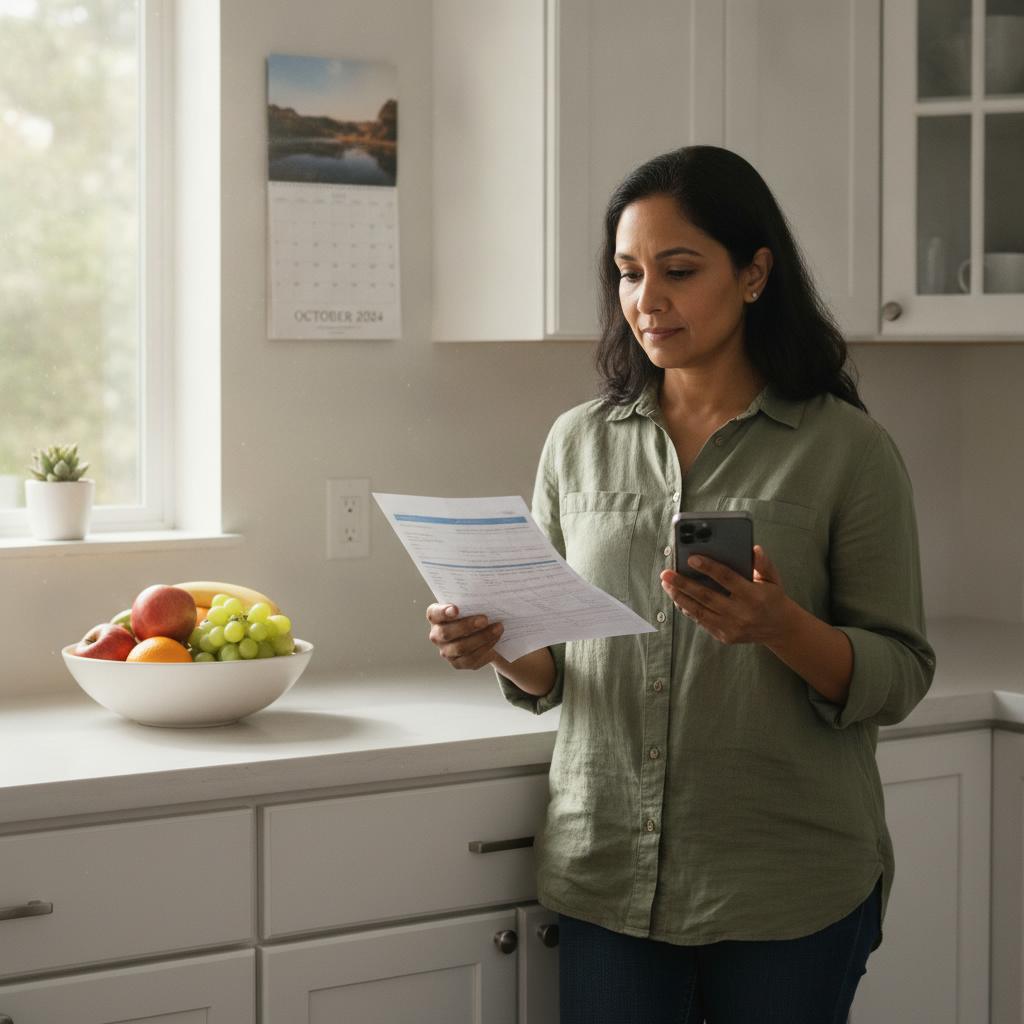
You apply for any income-driven plan at StudentAid.gov, the official federal site, or by asking your loan servicer. The application is free. Never pay a company to enroll you, because every step is something you can do yourself at no cost.
Two actions keep the clock running. First, you recertify your income once a year. If you miss recertification, your payment can jump to the standard amount and you can fall out of the plan. Second, you confirm your qualifying-payment count every year against your own records. Servicers miscount, especially after a plan switch, and the burden is on you to catch it.
What resets or stalls your clock
This is where people lose years. A few rules decide whether a month counts.
Payments made in any income-driven plan generally carry over when you switch plans, so moving from PAYE to IBR does not erase your progress. But months parked in forbearance, including the SAVE-related forbearance many borrowers sat in during 2025, usually earn no credit. Defaulting stops the clock until you cure the default. And a payment made while your loans are not in a qualifying repayment status does not count.
One more change you cannot ignore. Through 2025, IDR forgiveness was federally tax-free. Starting January 1, 2026, a forgiven balance is generally treated as taxable income on your federal return. This mistake catches people who reach the finish line unprepared. Before your forgiveness year arrives, ask a tax professional what the forgiven amount could add to your tax bill, so the relief does not turn into a surprise.
Frequently asked questions
Do I qualify for IDR forgiveness if I never qualified before because my income was too high? Possibly, yes. The 2025 law removed the financial-hardship test for IBR, so you no longer have to prove your payment is unaffordable. Any borrower with eligible federal loans can now enroll and begin earning credit toward the 20- or 25-year clock.
What counts as a qualifying payment? A payment made while enrolled in an income-driven plan and in a qualifying repayment status. On-time and full payments count, and so do $0 payments when your income is low enough. Most forbearance months and any month in default do not count.
How long does it take to get forgiveness once I hit my plan’s year mark? Forgiveness is automatic, but processing is not instant. Keep making payments and recertifying until the cancellation posts. If your records show you have passed your plan’s clock and nothing has happened, contact your servicer and, if needed, the federal student aid ombudsman.
Will I owe taxes on the amount forgiven? On your federal return, generally yes for forgiveness occurring on or after January 1, 2026. Some states do not tax it. Confirm both with a tax professional well before your forgiveness year.
My loans are in default. Can I still use these plans? Not until you get out of default first. Loan rehabilitation or consolidation restores your eligibility, and only then can you enroll in an income-driven plan and start the forgiveness clock.



Leave a Comment