


Your electric bill does not have to feel like a punishment every month. Most people assume they are stuck paying whatever the utility company sends, but that is not how it works. You have real control over the amount of energy your home uses, and making a few smart changes adds up quickly. The average monthly electric bill for U.S. residential customers was $144 in 2024, totaling over $1,700 per year, according to the U.S. Energy Information Administration. That is a lot of money leaving your pocket, and much of it is preventable.
The first place to look is your heating and cooling system. HVAC equipment is responsible for roughly half of your total energy use, depending on the season. Setting your thermostat just a few degrees higher in summer and lower in winter makes a noticeable difference on your next statement. A programmable or smart thermostat takes this even further. Smart thermostats that meet Energy Star criteria save users an average of 8 percent on their utility bills, according to EPA data. They detect when you leave the house and adjust the temperature automatically. That means you are not paying to cool or heat an empty home.
Seal Air Leaks and Improve Insulation
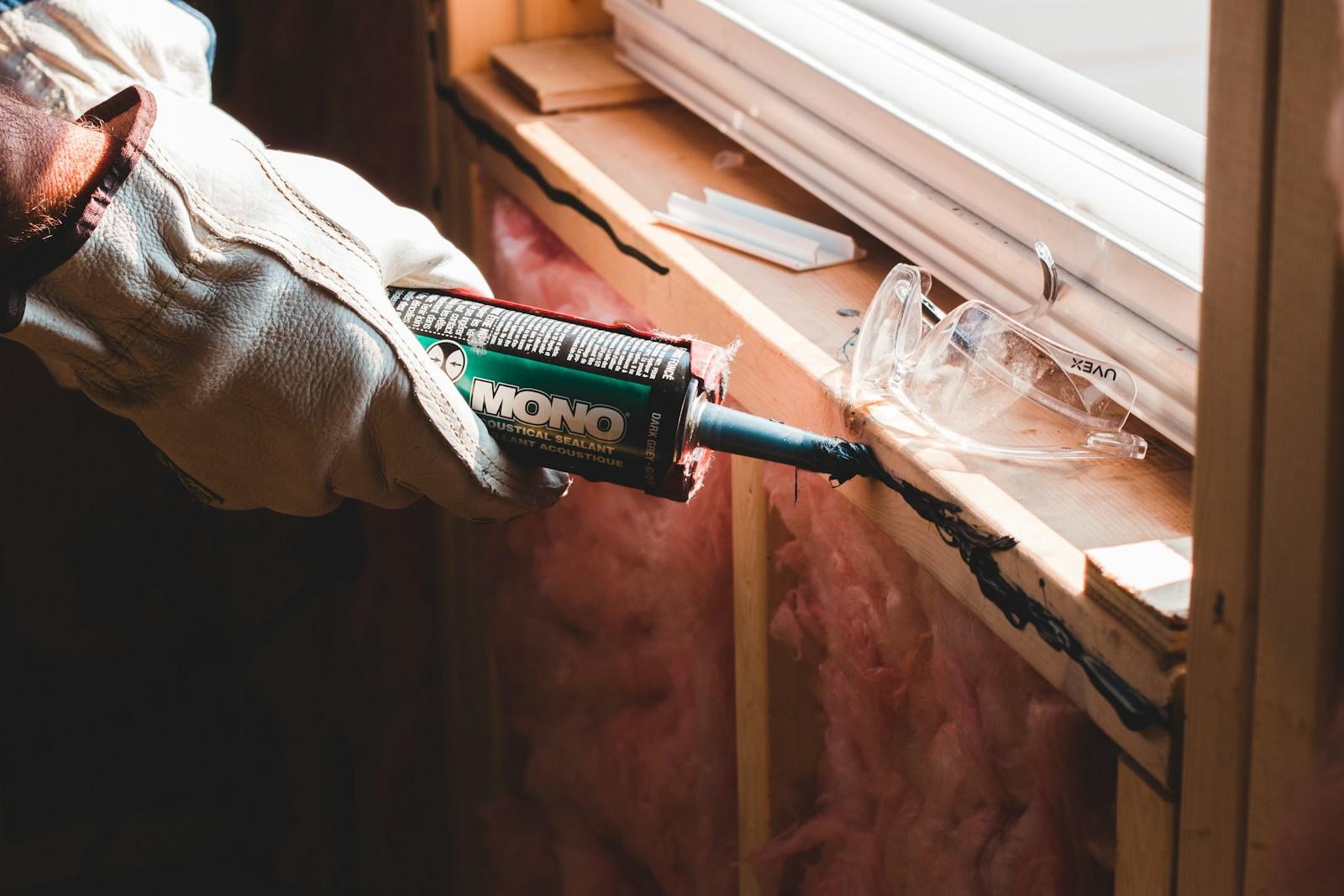
One of the biggest hidden energy drains is air escaping through cracks in your windows, doors, and walls. The U.S. Department of Energy estimates that up to a third of a typical home’s heat loss happens through windows and doors alone. Caulking and weatherstripping are inexpensive fixes that take an afternoon to complete. You are essentially plugging holes that silently raise your bill every single month.
Adding insulation in your attic and walls is another high-impact move. Homes with poor insulation force the HVAC system to run longer and harder. That translates to higher electricity consumption and more wear on your equipment. An energy audit, which many utility companies offer at no cost, will reveal exactly where your home loses the most energy. These audits give you a prioritized list of improvements, so you spend money where it matters most.
Change Your Daily Habits Around the House
Small changes in how you use appliances add up to meaningful savings over time. Running your dishwasher and washing machine only with full loads prevents wasted cycles. Washing clothes in cold water instead of hot reduces the energy needed to heat water, and your clothes stay in better condition. Air-drying dishes instead of using the heated dry setting on your dishwasher is another easy win.
Phantom energy is a sneaky problem most people never think about. Devices that are plugged in but turned off still draw power in standby mode. This phantom load accounts for 5 to 10 percent of residential electricity use in the average home. Plugging electronics into smart power strips and turning them off when you leave a room is a simple fix. Replacing old incandescent bulbs with LED alternatives is one of the cheapest upgrades you will ever make. LED bulbs use up to 90 percent less energy and last far longer than traditional options.
Take Advantage of Utility Programs and Rate Plans
Most utility companies offer programs designed to help customers use less energy. These include discounted rates for low-income households, rebates on energy-efficient appliances, and free energy-saving products like LED bulbs or smart thermostats. Contact your provider and ask what programs you qualify for, because many people miss out simply by not asking.
Time-of-use rate plans are another option worth exploring. These plans charge different prices depending on when you use electricity. Running your dishwasher, laundry, and other heavy appliances during off-peak hours, typically late evening or early morning, lowers the cost per kilowatt-hour. Not every household qualifies, but it is worth checking with your provider. Prepay programs let you pay for electricity before you use it and monitor daily consumption. Customers on these programs report saving between 5 and 14 percent on their total energy use.
The bottom line is that lowering your electric bill does not mean sitting in the dark or sweating through summer. It means making intentional choices about how and when you use energy. Start with one or two changes this week and build from there. If you are looking for additional support, government programs are available that help pay utility bills directly through energy saving tips. Every dollar you save on electricity is a dollar you keep.
Another overlooked strategy is adjusting the temperature on your water heater. Most units are set to 140 degrees by default, but lowering the thermostat to 120 degrees is safe for most households and reduces energy consumption noticeably. Water heating accounts for about 18 percent of a home’s total energy use, making it the second largest energy expense behind heating and cooling. That single adjustment saves $36 to $61 per year with zero impact on your comfort or daily routine.
Leave a Comment