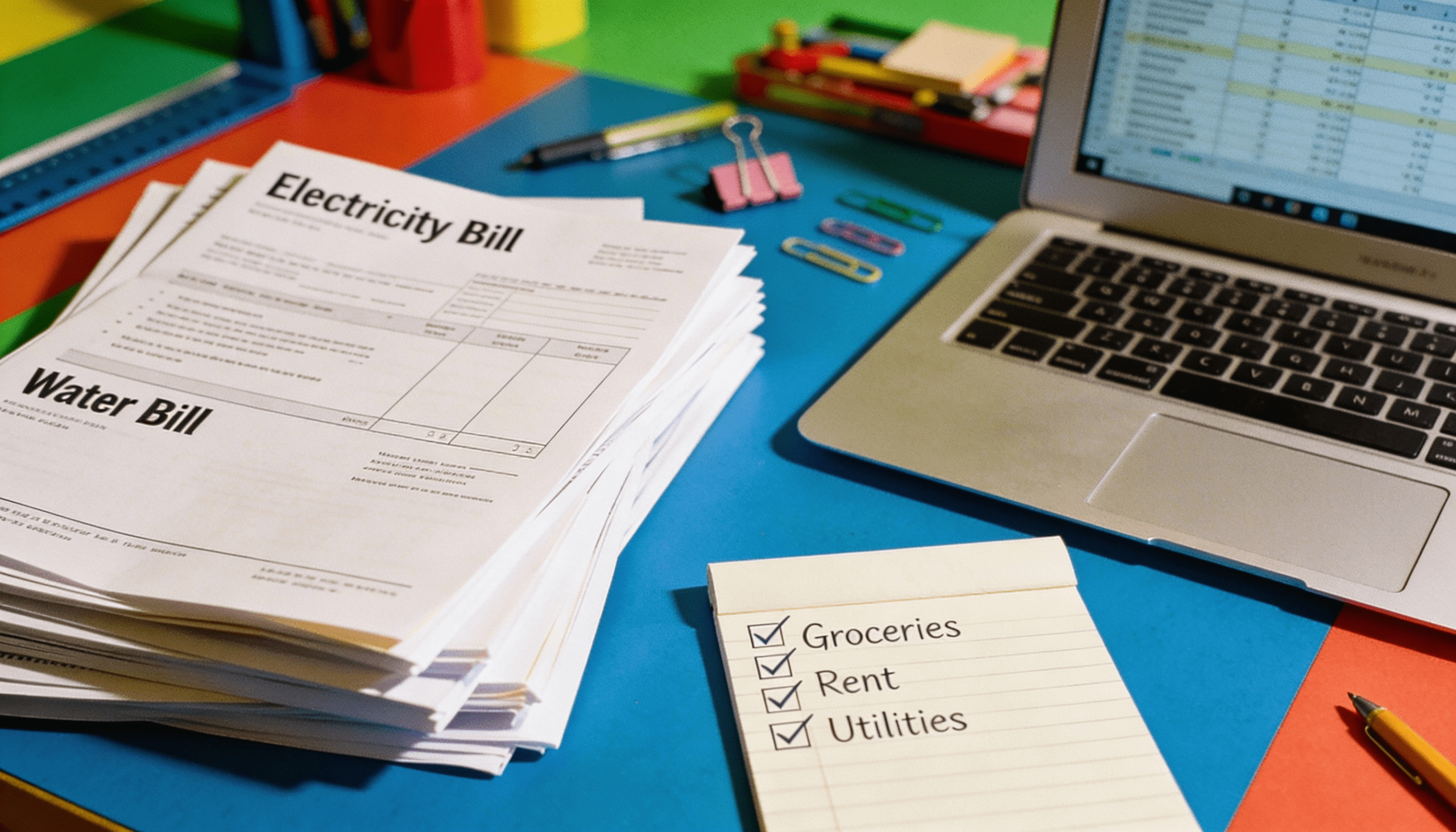

Keeping up with monthly bills can become challenging when costs rise faster than income or when unexpected expenses occur. Rent, utilities, food, phone service, healthcare, and transportation are essential. Yet many households struggle to cover them consistently. Bill assistance programs exist to help bridge these gaps, offering temporary or ongoing support to eligible households during times of financial strain.
This article explains how bill assistance programs work, who they are designed to support, and how to access legitimate help using trusted resources.
What Are Bill Assistance Programs?
Bill assistance programs are government-funded, nonprofit, or community-based initiatives designed to help eligible households pay for essential living expenses. These programs are not loans and typically do not need to be repaid, as long as the assistance is used for its intended purpose.
Rather than providing unrestricted cash, most programs:
- Pay benefits directly to service providers (such as utility companies or landlords)
- Offer discounts or credits on monthly bills
- Provide temporary relief during financial hardship
- Help reduce future expenses through efficiency or cost-reduction measures
Types of Bills These Programs May Help With
Bill assistance programs vary by location, but many focus on the most essential household expenses.
1. Utility and Energy Bills
Programs such as the Low Income Home Energy Assistance Program (LIHEAP) help eligible households pay for heating and cooling costs and avoid utility shutoffs.
LIHEAP benefits are administered locally and may include:
- Help with electricity or gas bills
- Emergency assistance during shutoff threats
- Seasonal energy support
Learn more about energy bill assistance:
👉 https://www.usa.gov/help-with-energy-bills
👉 https://www.acf.hhs.gov/ocs/programs/liheap
2. Housing and Rent-Related Bills
Housing-related assistance may help households:
- Catch up on overdue rent
- Cover housing-related utilities
- Avoid eviction or housing instability
Programs are often administered through state or local housing agencies.
Explore housing assistance options:
👉 https://www.usa.gov/housing-help
3. Phone and Internet Bills
Connectivity is essential for work, education, healthcare, and emergencies. The Lifeline program offers a monthly discount on phone or internet service for eligible households.
Lifeline program information:
👉 https://www.fcc.gov/lifeline-consumers
Apply through the National Verifier:
👉 https://www.getinternet.gov/apply
4. Food and Grocery Expenses
Food assistance programs can free up income for other bills.
- SNAP (Supplemental Nutrition Assistance Program) helps eligible households afford groceries.
- Local food banks and pantries provide immediate food support.
Learn about SNAP:
👉 https://www.usa.gov/food-stamps
Find local food banks:
👉 https://www.feedingamerica.org/find-your-local-foodbank
5. Medical and Healthcare Bills
Some households qualify for:
- Medicaid or CHIP coverage
- Hospital financial assistance programs
- State or local medical aid
Reducing healthcare costs can significantly ease overall financial pressure.
Healthcare assistance overview:
👉 https://www.usa.gov/healthcare-help
How Bill Assistance Programs Work
Although each program has its own rules, most follow a similar process.
Step 1: Eligibility Screening
Programs typically evaluate:
- Household income
- Household size
- Location
- Type of expense
- Participation in other assistance programs
Eligibility thresholds vary, so qualifying for one program does not automatically qualify you for all.
Step 2: Application and Documentation
Applicants are usually asked to provide:
- Photo ID
- Proof of address
- Recent bills or notices
- Proof of income or benefits
- Household information
Applications may be submitted online, in person, or through local agencies.
Step 3: Benefit Issuance
Instead of giving cash directly, most programs:
- Send payments directly to landlords, utilities, or service providers
- Apply credits or discounts to existing accounts
- Offer vouchers or approvals for specific services
This structure helps ensure assistance is used for essential expenses.
Step 4: Follow-Up or Recertification
Some programs require:
- Periodic recertification
- Annual eligibility checks
- Reporting changes in income or household size
Failure to respond to notices can result in benefits ending.
Who Are Bill Assistance Programs Designed For?
Bill assistance programs are intended to support households experiencing financial vulnerability or temporary hardship. While eligibility varies, these programs often serve:
Low-Income Households
Many programs use income thresholds based on the Federal Poverty Level (FPL) or state median income.
Families With Children
Households with children may receive priority, especially when assistance supports health, housing stability, or education.
Seniors
Older adults on fixed incomes may qualify for assistance with utilities, healthcare, and housing-related costs.
People With Disabilities or Medical Needs
Some programs prioritize households where utilities are medically necessary or where income is limited due to disability.
Households Facing Temporary Hardship
Job loss, illness, emergencies, or reduced work hours can make otherwise stable households eligible for short-term assistance.
What Bill Assistance Programs Are Not
Understanding limitations helps avoid misinformation and scams.
Legitimate programs:
- Do not require application fees
- Do not guarantee approval
- Do not provide unlimited or permanent cash assistance
- Do not contact people randomly claiming they’ve “won” assistance
How to Find Bill Assistance Programs Near You
The most effective way to locate local help is through trusted, centralized resources.
United Way 2-1-1
Calling or visiting 2-1-1 connects households to local assistance programs, nonprofits, and government resources based on ZIP code.
USA.gov
USA.gov provides official overviews and links to federal and state assistance programs.
👉 https://www.usa.gov/benefits
Avoid Scams and Use Trusted Sources
Always use official government or nonprofit websites ending in .gov or well-known organizations. Be cautious of:
- Requests for payment to apply
- Claims of guaranteed approval
- Unsolicited calls or messages
FTC consumer guidance:
👉 https://consumer.ftc.gov
Important Links (Official & Trusted)
- USA.gov – Benefits & Assistance:
https://www.usa.gov/benefits - Energy Bill Help (LIHEAP):
https://www.usa.gov/help-with-energy-bills - Housing Assistance:
https://www.usa.gov/housing-help - Lifeline Program:
https://www.fcc.gov/lifeline-consumers - Apply for Lifeline:
https://www.getinternet.gov/apply - Food Assistance (SNAP):
https://www.usa.gov/food-stamps - United Way 2-1-1:
https://www.211.org
Final Takeaway
Bill assistance programs exist to help households manage essential expenses during periods of financial strain. By understanding how these programs work, who they are designed to support, and where to apply safely, individuals and families can take informed steps toward stability. While assistance availability varies by location, using trusted resources and applying early can make a meaningful difference.

Leave a Comment