
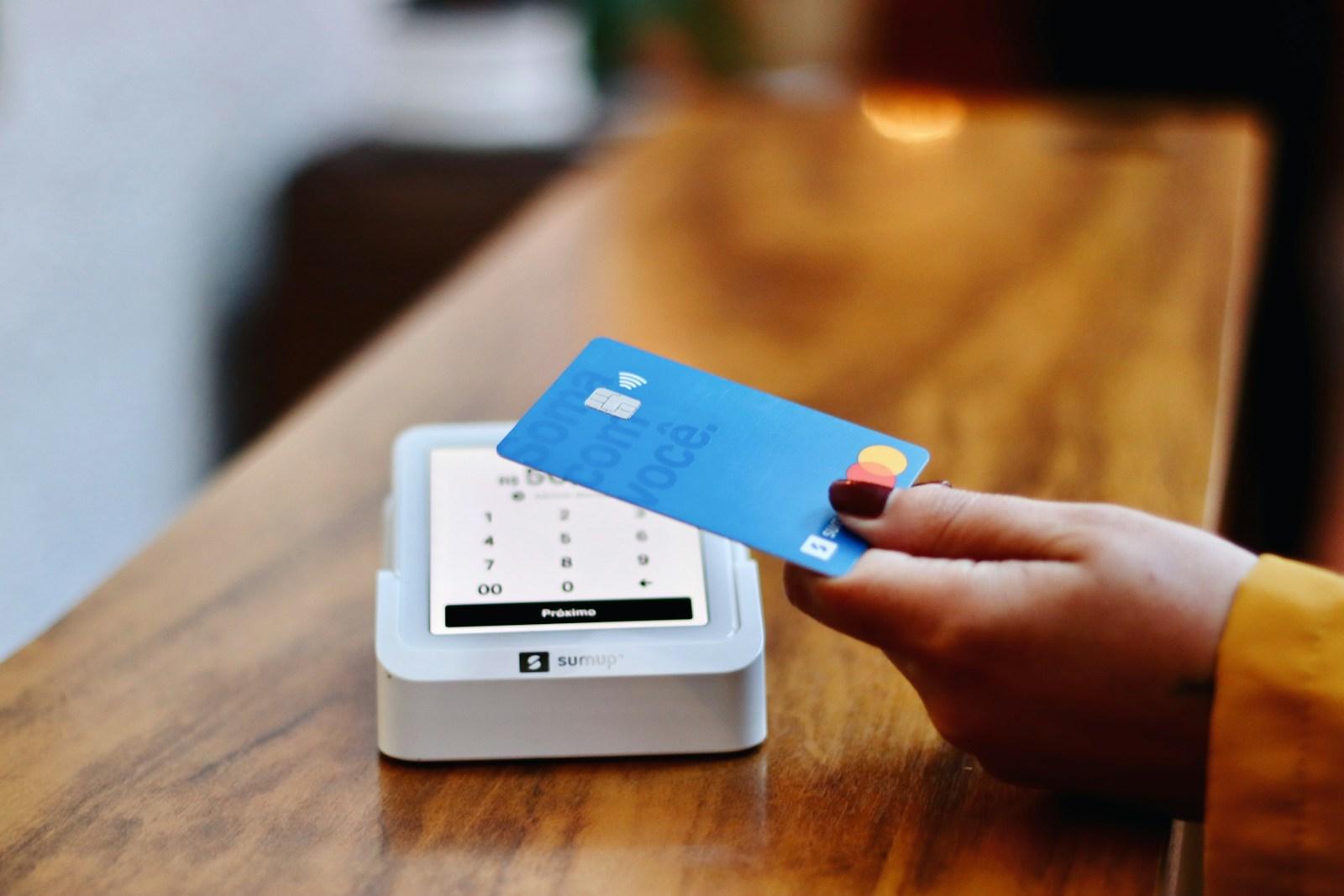
When your credit score is in rough shape, getting approved for a traditional credit card feels like an impossible task. Lenders see you as high-risk and either deny your application outright or offer terms that make the card more expensive than it is worth. Secured credit cards exist specifically for this situation. They give people with damaged, limited, or no credit history a realistic path to rebuilding their score without taking on financial risk they cannot afford.
A secured card works like a regular credit card with one key difference. You provide a cash deposit upfront, and that deposit becomes your credit limit. If you deposit $300, your credit limit is $300. The deposit acts as collateral for the issuer, which is why approval rates are high even for applicants with bad credit or a recent bankruptcy. You use the card for everyday purchases, receive a monthly statement, and make payments just like any other credit card.
What to Look for in a Secured Credit Card
Not all secured cards are created equal. The most important feature is whether the issuer reports your payment activity to all three major credit bureaus. A card that does not report payments is useless for rebuilding credit. Confirm this detail before you apply. You want every on-time payment recorded on your Equifax, Experian, and TransUnion reports.
Annual fees and interest rates vary widely among secured cards. Some charge no annual fee at all, while others charge $25 to $50 per year. Interest rates tend to be higher than those on standard credit cards, which is another reason to pay your balance in full every month. Avoid cards with excessive fees or hidden charges that eat into your deposit. Look for issuers that offer a path to upgrading your secured card to an unsecured card after a period of responsible use, usually 12 to 18 months.
How to Use a Secured Card to Build Credit Quickly
The strategy for building credit with a secured card is straightforward. Use the card for one or two small recurring purchases each month, like a streaming subscription or a tank of gas. Keep your balance below 30 percent of your credit limit at all times. Keeping it below 10 percent is even better. Pay the full statement balance before the due date every month.
Do not use the card as a source of spending money. Think of it as a credit-building tool, not a way to buy things you cannot afford. Setting up autopay for the full balance eliminates the risk of a missed payment, which would defeat the entire purpose. Consistency is more important than the amount you spend. A $20 charge paid off monthly does just as much for your score as a $200 charge, provided you pay on time.
Transitioning From a Secured Card to Better Options
After six to twelve months of responsible use, check whether your issuer offers an automatic upgrade to an unsecured card. Some issuers review your account periodically and return your deposit when they see consistent on-time payments. Others require you to request the upgrade manually. Getting your deposit back frees up that cash without closing the account, which would shorten your credit history.
Once your credit score improves, you become eligible for better credit card offers with lower interest rates, higher limits, and rewards programs. Resist the temptation to apply for multiple cards at once. Each application triggers a hard inquiry on your credit report, and too many inquiries in a short period lower your score. Space out applications and only pursue cards that match your current financial goals.
A secured credit card is not a permanent solution. It is a bridge between bad credit and a healthier financial future. Used correctly, it delivers real results in a relatively short time. If you are rebuilding after bankruptcy specifically, pairing a secured card with the strategies in secured card options creates a solid plan for recovery. Your deposit is not a cost. It is an investment in your own financial comeback.
Some secured credit cards offer rewards programs, which is a relatively new development. Cards from issuers like Discover and Capital One provide cash back on purchases even on their secured products. Earning rewards while you rebuild credit is a nice bonus, but it should never be the primary reason you choose a card. Payment reporting and low fees are more important factors in your decision.
The timeline for credit improvement with a secured card depends on where you start. Someone with a 500 credit score who uses a secured card responsibly may see a 50 to 80 point increase within six to twelve months. The gains come faster in the beginning because the positive payment data fills a gap in your credit history. As your file grows, each additional month of on-time payments has a smaller but still meaningful impact.
Frequently Asked Questions
How does a secured credit card actually work?
A secured card requires a refundable cash deposit, usually $200 to $500, which becomes the credit limit. The cardholder uses the card for purchases and makes monthly payments like any credit card. The deposit is held as collateral and returned when the account is closed in good standing or upgraded to an unsecured card.
Which secured cards report to all three bureaus?
Capital One Platinum Secured, Discover it Secured, Citi Secured Mastercard, Bank of America Secured, and the Self Visa Credit Card all report to Equifax, Experian, and TransUnion monthly. Reporting to all three is essential, a card that reports to only one or two does not deliver full credit-rebuilding value.
What credit utilization should I keep on a secured card?
Under 30% of the limit at the statement closing date is the rule of thumb. Under 10% produces the strongest scoring effect. On a $300 limit, that means keeping the reported balance below $30 to $90. Pay before the statement closes (not just before the due date) to control what utilization the bureau sees.
How long until a secured card converts to unsecured?
Most major issuers automatically review secured accounts at 6, 12, and 18 months. Capital One and Discover are the most consistent about returning the deposit and graduating the account to unsecured status after 12 to 18 months of on-time payments. Some issuers require the cardholder to request the upgrade; ask after 12 on-time months if there is no automatic notice.
Do secured card applications hurt my credit?
Yes, every credit card application is a hard inquiry that drops the score 5 to 10 points and stays on the report for 2 years. Apply for one secured card, not three. Capital One and Discover both offer prequalification with no hard inquiry, which is a safer way to check approval odds before formally applying.



Leave a Comment