
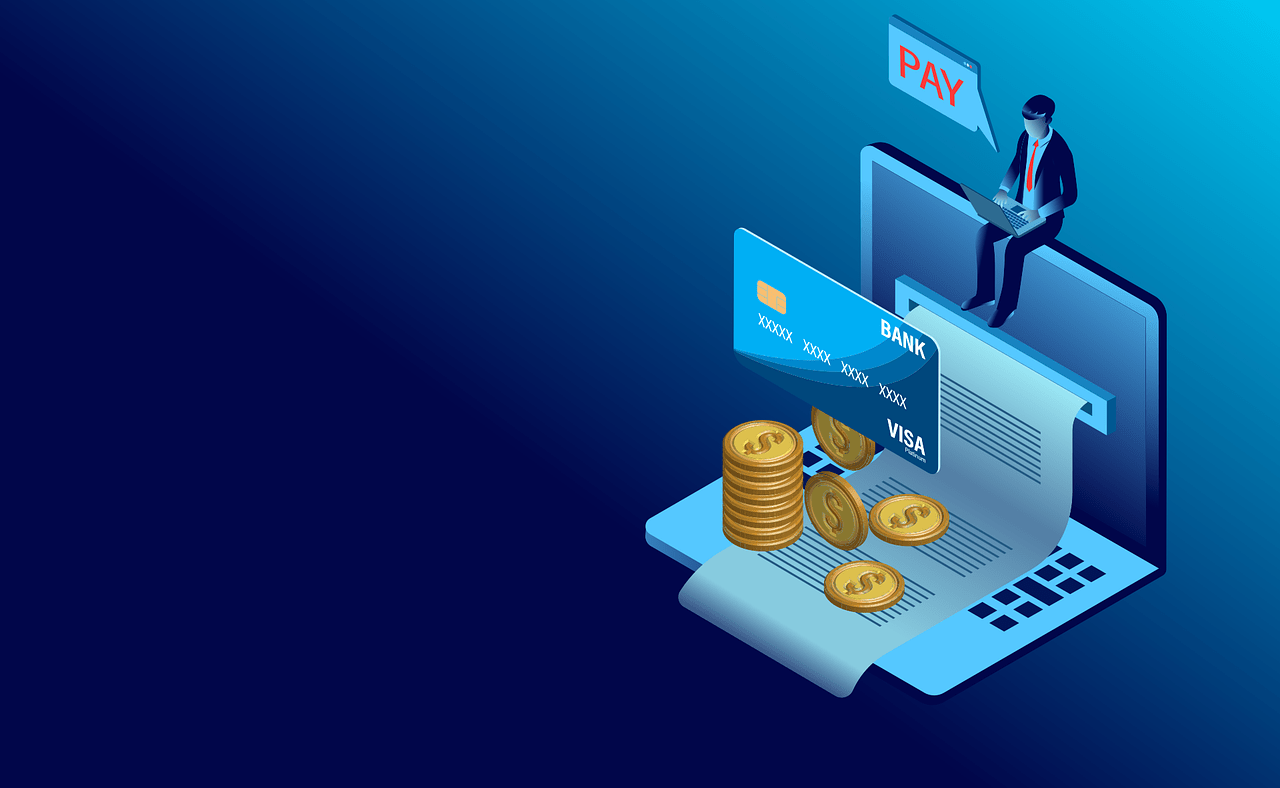
Debt can accumulate quickly when multiple credit cards, personal loans, or medical bills are involved. Managing several payments with different interest rates and due dates often feels overwhelming. Debt consolidation loans provide a way to simplify repayment by combining multiple debts into one loan. This approach can reduce stress and create more predictable financial management. However, debt consolidation is not a perfect solution. Understanding both the advantages and disadvantages helps borrowers make informed decisions.
What Debt Consolidation Loans Are
Debt consolidation loans are financial products designed to combine multiple debts into a single loan. Borrowers use the loan to pay off existing balances, leaving only one monthly payment. Consolidation loans are typically offered by banks, credit unions, and online lenders.
The main appeal of consolidation is simplicity. Instead of juggling several payments, borrowers manage one loan with a fixed interest rate and repayment schedule. This structure creates predictability and reduces the risk of missed payments.
The Advantages of Debt Consolidation Loans
Debt consolidation loans provide several benefits that make them attractive to borrowers.
Simplified Payments
Managing one loan is easier than managing several. Borrowers no longer need to track multiple due dates or interest rates. Simplified payments reduce stress and improve organization.
Lower Interest Rates
Consolidation loans often provide lower interest rates compared to credit cards. Borrowers save money over time, especially if they qualify for favorable terms. Lower interest rates also reduce the total cost of debt.
Fixed Repayment Schedule
Consolidation loans typically have fixed repayment schedules. Borrowers know exactly how long repayment will take and how much they will pay each month. This predictability helps with budgeting and financial planning.
Improved Credit Score Over Time
Making consistent payments on a consolidation loan can improve credit scores. Payment history is a major factor in credit scoring. Successful repayment demonstrates responsibility and builds credibility with lenders.
Reduced Stress
Debt consolidation reduces stress by creating clarity. Borrowers feel more in control when they manage one loan instead of several. This emotional relief is an important benefit.
The Disadvantages of Debt Consolidation Loans
Despite the benefits, debt consolidation loans also present challenges.
Fees and Costs
Consolidation loans may include fees such as origination charges or prepayment penalties. These costs reduce savings and increase the total expense of borrowing. Borrowers must review terms carefully to avoid surprises.
Longer Repayment Periods
Some consolidation loans extend repayment periods to reduce monthly payments. While this makes payments more affordable, it increases the total interest paid over time. Borrowers may end up paying more in the long run.
Risk of Falling Back Into Debt
Consolidation does not eliminate debt. It simply restructures it. Borrowers who continue to use credit cards or take out new loans risk falling back into debt. Without changes in spending habits, consolidation may provide only temporary relief.
Impact on Credit Score
Applying for a consolidation loan requires a credit inquiry. This may temporarily lower credit scores. Borrowers who miss payments on the new loan may also damage their credit further.
Misleading Offers
Not all consolidation loans are created equal. Some lenders advertise low rates but include hidden fees. Others target vulnerable borrowers with predatory practices. Research and caution are essential.
When Debt Consolidation Makes Sense
Debt consolidation loans make sense when borrowers have high-interest debt, stable income, and a commitment to repayment. They are especially useful for individuals with multiple credit cards carrying balances. Consolidation reduces interest and simplifies payments.
Borrowers who qualify for favorable rates benefit most. Strong credit scores often lead to lower interest rates and better terms. Consolidation is also effective for those who want structured repayment schedules.
When Debt Consolidation May Not Be the Best Choice
Debt consolidation may not be ideal for borrowers with unstable income or poor credit. Without consistent payments, consolidation loans can create more problems. Borrowers with low credit scores may face high interest rates that reduce savings.
Consolidation is also less effective for small debts. If balances are manageable, repayment strategies such as snowball or avalanche methods may be better. Borrowers should evaluate whether consolidation provides meaningful benefits.
Alternatives to Debt Consolidation
Borrowers who do not pursue consolidation can explore alternatives.
- Debt Management Plans: Nonprofit credit counseling agencies create structured repayment plans with creditors.
- Balance Transfer Credit Cards: Some cards offer low or zero interest rates for limited periods.
- Negotiating With Creditors: Borrowers may request lower rates or payment adjustments directly.
- Personal Budgeting Strategies: Methods such as the debt snowball or avalanche approach provide structured repayment without new loans.
Alternatives provide flexibility and may be more affordable for certain borrowers.
The Role of Credit Repair Options
Debt consolidation loans are often discussed alongside credit repair options. Borrowers who consolidate debt may also seek ways to improve credit scores. Repair strategies include disputing errors on credit reports, making consistent payments, and reducing credit utilization. Combining consolidation with credit repair creates stronger financial outcomes.
Credit repair options are valuable because they address long-term stability. Consolidation provides immediate relief, while repair strategies build credibility for future borrowing. Together, they create pathways to financial independence.
Challenges Borrowers Should Consider
Borrowers must consider several challenges before pursuing consolidation. They should evaluate interest rates, fees, and repayment schedules. They should also assess spending habits. Without changes in behavior, consolidation may provide only temporary relief.
Awareness is critical. Borrowers must research lenders carefully to avoid predatory practices. They should read terms thoroughly and ask questions before signing agreements.
Balancing Relief and Responsibility
Debt consolidation loans provide relief by simplifying payments, reducing interest, and creating structured repayment schedules. They also carry risks such as fees, longer repayment periods, and the possibility of falling back into debt.
Borrowers who approach consolidation responsibly gain more than financial relief. They gain confidence, stability, and peace of mind. Consolidation is not a cure-all, but it is a valuable tool when used wisely.
Families who combine consolidation with strong budgeting and credit repair strategies create long-term success. Debt consolidation loans demonstrate that financial recovery is possible when relief is balanced with responsibility.
Frequently Asked Questions
When does a debt consolidation loan actually save money?
A consolidation loan saves money only when the new APR is meaningfully lower than the weighted average APR on the debts being consolidated, AND the new term is not so long that lower monthly payments wipe out the rate savings. The typical breakeven is a new APR at least 4 to 6 percentage points below the existing weighted average.
What APRs do debt consolidation loans actually offer?
Personal loan APRs run roughly 7% to 36% depending on credit score. Borrowers with credit above 720 see offers in the 7% to 12% range; mid-tier credit (640 to 700) typically sees 13% to 22%; below 640 the offers climb above 25%. Consolidating high-APR credit card debt (often 22% to 29%) only makes sense if the loan APR clears that threshold.
What fees are typical on a debt consolidation loan?
Origination fees run 1% to 8% of the loan amount on most online lenders (SoFi, LightStream, and Marcus typically charge no origination fee; LendingClub, Prosper, and Upgrade charge 3% to 8%). Some loans also include prepayment penalties, read the loan agreement before signing. Origination fees are usually deducted from the disbursement, so a $10,000 loan with a 5% fee disburses $9,500.
How does a consolidation loan affect credit score?
Initial impact: a hard inquiry drops the score 5 to 10 points, and average account age decreases. Within 3 to 6 months, paying off revolving credit card balances drops credit utilization to near zero, which usually raises the score 20 to 60 points. Net effect after a year of on-time payments is typically positive.
What is the biggest risk of debt consolidation?
Re-running up the credit cards that the loan just paid off. The original balances are gone, but the credit limits remain, and many borrowers add new debt to the cards alongside the new loan payment. Closing or freezing the paid-off cards (rather than leaving them open) is the most effective way to prevent this.



Leave a Comment